
Serum Electrolytes Test (Sodium, Potassium, chloride) Normal Range & Meaning India | इलेक्ट्रोलाइट्स टेस्ट गाइड: सोडियम, पोटैशियम और क्लोराईड का महत्व
Serum Electrolytes Test Explained: Sodium, Potassium & Chloride Normal Range, High & Low Levels (India 2026)
इलेक्ट्रोलाइट्स टेस्ट गाइड: सोडियम, पोटैशियम और क्लोराईड — नॉर्मल रेंज, हाई & लो लेवल और हृदय जोखिम
You received a report with "Serum Na: 128 mEq/L" or "K+: 6.2 mEq/L" — and the numbers are flagged. Electrolyte abnormalities are among the most common and most clinically dangerous findings in Indian hospital labs — particularly in patients with diarrhoea, vomiting, kidney disease, diabetes, or those on diuretics or ACE inhibitors. Critically abnormal potassium — either too high or too low — can cause fatal cardiac arrhythmias within hours without treatment. This guide explains what serum sodium, potassium, and chloride mean, what abnormal values indicate, and what action is needed.
If your doctor also ordered Serum Creatinine or HbA1c alongside, see those guides. For reading lab reports generally, see our beginner's guide to blood test reports.
इलेक्ट्रोलाइट असामान्यताएं भारतीय अस्पताल labs में सबसे आम और सबसे खतरनाक खोज हैं। असामान्य पोटैशियम घंटों में घातक cardiac arrhythmia पैदा कर सकता है। Table of Contents / विषय सूची

What Are Electrolytes? / इलेक्ट्रोलाइट्स क्या हैं?
Electrolytes are electrically charged minerals (ions) dissolved in body fluids. They carry electrical impulses across cells, maintain fluid balance between compartments, regulate blood pH (acid-base balance), and enable nerve and muscle function including the heartbeat. The three main serum electrolytes measured in Indian labs are: Sodium (Na+), Potassium (K+), and Chloride (Cl-). Together with bicarbonate (HCO3-), calcium (Ca2+), and magnesium (Mg2+), they constitute the full electrolyte profile — but the first three are the most commonly ordered and most clinically urgent.
Electrolytes विद्युत आवेशित खनिज (ions) हैं जो शरीर के तरल पदार्थों में घुले रहते हैं। वे तंत्रिका और मांसपेशी कार्य (हृदय सहित), द्रव संतुलन और pH नियंत्रण में सक्षम करते हैं।- Extracellular fluid (ECF) — outside cells: ~40% of body water. Main cation: Sodium (Na+). Main anion: Chloride (Cl-). Controls blood volume and blood pressure.
- Intracellular fluid (ICF) — inside cells: ~60% of body water. Main cation: Potassium (K+). Main anion: Phosphate. Controls cell volume and metabolic function.
- The Na+/K+ ATPase pump in every cell actively pumps 3 Na+ out and 2 K+ in for every ATP molecule — maintaining these compartment differences. This pump is what allows nerve impulses and muscle contractions (including heartbeats) to occur.
- When electrolytes shift between compartments (from illness, medications, or kidney disease), this pump fails to compensate → electrolyte abnormalities manifest as symptoms.
Normal Range — All Three Electrolytes

| Electrolyte | Normal Range | Mild Abnormal | Severe / Emergency | Unit |
|---|---|---|---|---|
| Sodium (Na+) सोडियम |
136–145 | Low: 130–135 / High: 146–150 | <125 or >155 = Emergency | mEq/L (= mmol/L) |
| Potassium (K+) पोटैशियम |
3.5–5.0 | Low: 3.0–3.5 / High: 5.1–5.9 | <3.0 or >6.0 = Cardiac Emergency | mEq/L (= mmol/L) |
| Chloride (Cl-) क्लोराइड |
98–107 | Low: 90–97 / High: 108–115 | Extreme values: <80 or >115 | mEq/L (= mmol/L) |
Sodium (Na+) — Hyponatraemia & Hypernatraemia
Most common electrolyte abnormality in Indian hospitals. Symptoms depend on severity and speed of onset: Na 130–135: often asymptomatic; Na 125–130: nausea, headache, confusion, falls in elderly; Na below 125: severe — seizures, coma, herniation of brain. Key Indian causes:
- Severe diarrhoea/vomiting (gastroenteritis, cholera) — most common cause in India; volume depletion + hypotonic fluid replacement with plain water
- Diuretics (thiazides — hydrochlorothiazide) — very common in hypertensive Indian patients; thiazides cause SIADH-like sodium wasting
- SIADH (Syndrome of Inappropriate ADH) — brain injury, pneumonia, TB, malignancy, SSRIs
- Heart failure, cirrhosis, nephrotic syndrome — oedematous states dilute sodium
- Hypothyroidism and Addison's disease — important but often missed in India
Less common than hyponatraemia but equally dangerous. Essentially always caused by free water deficit (more water lost than sodium) or inadequate water intake. Symptoms: thirst (if conscious), confusion, seizures, coma. Key Indian causes:
- Uncontrolled diabetes — hyperglycaemia → osmotic diuresis → free water loss → hypernatraemia (Hyperosmolar Hyperglycaemic State)
- Fever with inadequate fluid intake — very common in Indian summer + elderly patients with impaired thirst
- Diabetes insipidus — ADH deficiency (central) or resistance (nephrogenic)
- Excessive IV hypertonic saline — iatrogenic; mistaken treatment
- Elderly, infants, obtunded patients — cannot access water independently
Potassium (K+) — Hypokalaemia & Hyperkalaemia

Symptoms: muscle weakness, cramps, constipation, palpitations, fatigue. Severe (<2.5): paralysis, respiratory failure, life-threatening arrhythmias. Key causes in India:
- Diarrhoea and vomiting — most common acute cause; significant potassium lost in stool (especially in cholera, acute gastroenteritis)
- Loop diuretics (furosemide/Lasix) — very commonly prescribed in India for heart failure, hypertension; causes renal potassium wasting
- Thiazide diuretics (hydrochlorothiazide) — for hypertension; similar potassium-wasting effect
- Diabetic ketoacidosis (DKA) — total body potassium depleted even though serum K+ may be normal or high initially; dangerous potassium fall as DKA is treated with insulin
- Poor dietary intake — low fruits, vegetables; pure starvation
- Hyperaldosteronism — Conn's syndrome; hypertension + hypokalaemia without diuretics
Symptoms: muscle weakness, numbness/tingling, palpitations; above 6.0: potentially lethal cardiac arrhythmias — peaked T waves → VF → cardiac arrest. Key causes in India:
- Chronic kidney disease (CKD) — most important cause; kidneys fail to excrete potassium; most dialysis patients in India are hyperkalaemic
- ACE inhibitors + ARBs (Ramipril, Losartan) — very commonly prescribed; reduce aldosterone → potassium retention; risk multiplied if combined with potassium-sparing diuretics
- Potassium-sparing diuretics (Spironolactone, amiloride) — often prescribed with loop diuretics for heart failure; dangerous in CKD
- Diabetic renal disease — CKD + ACE inhibitor + NSAIDs = triple risk
- Pseudohyperkalaemia — very common in India; haemolysis during blood collection releases K+ from red cells → falsely elevated K+ in lab (up to 1–2 mEq/L elevation); must retest with proper collection
⚠️ Pseudohyperkalaemia — the most common false alarm in Indian labs: Potassium of 5.5–6.5 mEq/L in an otherwise well patient with no symptoms and no kidney disease should raise suspicion of pseudohyperkalaemia — a falsely elevated potassium from red blood cell haemolysis during blood collection. This occurs when: the blood sample is drawn with a tight tourniquet (prolonged application causes red cell breakdown); the fist is vigorously clenched during blood draw; the sample is transported in extreme heat or stored too long before processing; the syringe was used with too much force. Each haemolysed red cell releases potassium into the sample. The lab may report "haemolysis noted" or "haemolysed sample." Always retest any unexpectedly high potassium with careful atraumatic collection before treating.
Pseudohyperkalaemia: रक्त संग्रह के दौरान लाल रक्त कोशिका haemolysis से falsely elevated K+। बिना लक्षण के CKD के बिना K+ 5.5–6.5 → पहले proper collection से repeat करें। haemolysis note पर retest अनिवार्य।Chloride (Cl-) — Role & Interpretation
Chloride (Cl-) is the primary extracellular anion — it accompanies sodium in maintaining electrical neutrality and fluid balance. It is also a key component of gastric acid (HCl). Chloride does not have its own independent clinical syndromes like sodium or potassium — it is most useful in acid-base balance interpretation. The Anion Gap = Na+ − (Cl- + HCO3-) — normal is 8–12 mEq/L. An elevated anion gap (>12) indicates accumulation of unmeasured anions (lactate, ketones, phosphate) and is the key to diagnosing metabolic acidosis causes: MUDPILES mnemonic (Methanol, Uraemia, DKA, Propylene glycol, Isoniazid, Lactic acidosis, Ethylene glycol, Salicylates). Normal anion gap metabolic acidosis: hyperchloraemia (high Cl-).
Low Chloride (Hypochloraemia — <98 mEq/L): Vomiting — the most common cause in India (HCl lost in vomit → metabolic alkalosis + low Cl-). Loop diuretics (furosemide). Addison's disease. Chronic respiratory acidosis with compensation. High Chloride (Hyperchloraemia — >107 mEq/L): Diarrhoea (bicarbonate lost in stool → compensatory chloride retention → hyperchloraemic metabolic acidosis). Normal saline excess (0.9% NaCl is hyperchloraemic — large volumes cause hyperchloraemic acidosis). Renal tubular acidosis (RTA). Hyperchloraemia with normal anion gap = normal anion gap metabolic acidosis.
When Are Electrolytes Ordered? / कब इलेक्ट्रोलाइट्स जांचे जाते हैं?
- Severe diarrhoea or vomiting (more than 24 hours)
- Altered consciousness, seizure, or confusion of unknown cause
- Muscle weakness or paralysis of sudden onset
- Cardiac arrhythmia — palpitations, irregular heartbeat
- Diabetic ketoacidosis (DKA) or Hyperosmolar Hyperglycaemic State (HHS)
- Severe dehydration — sunken eyes, dry mucosa, reduced urine
- Suspected Addison's disease (salt craving, weakness, hypotension)
- Any patient presenting to Emergency with collapse or syncope
- All patients on diuretics (furosemide, hydrochlorothiazide, spironolactone) — 4–8 weekly monitoring
- All CKD patients — especially on ACE inhibitors or ARBs (hyperkalaemia risk)
- Diabetic patients on insulin — potassium shifts with insulin administration
- Patients on ACE inhibitors + ARBs + NSAIDs (triple whammy — check K+ regularly)
- Heart failure patients — complex diuretic regimens affect all electrolytes
- Patients on digoxin — hypokalaemia potentiates digoxin toxicity; dangerous combination
- Patients with Addison's or Cushing's disease
Electrolytes are mandatory before any surgery because: Hypokalaemia (K+ below 3.5) increases risk of anaesthetic-related arrhythmias — surgery should be deferred if K+ is below 3.0. Hyponatraemia (Na+ below 130) requires correction before elective surgery. Hyperkalaemia (K+ above 5.5) in a CKD patient requires dialysis or medical management before proceeding. All Indian hospitals require pre-operative electrolytes as part of the standard workup. Anaesthesiologists check these before proceeding with any general or regional anaesthesia.
Any patient receiving intravenous fluids (normal saline, ringer's lactate, dextrose) in hospital requires electrolyte monitoring. Large volumes of IV saline → hyperchloraemic acidosis. Dextrose infusions without KCl → hypokalaemia (glucose + insulin shifts K+ into cells). Inappropriate hypotonic fluids → hyponatraemia (particularly dangerous in children). Standard Indian hospital ICU/ward protocol: electrolytes at least twice daily for patients on IV fluids plus every time IV fluid type or rate is changed.
Test Preparation Checklist / टेस्ट की तैयारी
Serum electrolytes require careful attention to collection technique — particularly to prevent pseudohyperkalaemia:
Serum electrolytes के लिए संग्रह तकनीक पर सावधान ध्यान आवश्यक है — विशेष रूप से pseudohyperkalaemia रोकने के लिए।-
Fasting for 4–6 hours is recommended — especially for potassium. Eating a high-potassium meal (bananas, oranges, dal, coconut water) transiently elevates serum potassium by 0.5–1.0 mEq/L for 2–4 hours post-meal. While not always specified, morning fasting collection gives the most consistent baseline electrolyte values. For emergency electrolytes (DKA, dehydration, acute arrhythmia) — test immediately regardless of fasting status.
-
Do NOT clench the fist during blood draw. Vigorous fist clenching causes local muscle contraction → releases intracellular potassium into the interstitial fluid → elevated K+ in the sample. This is one of the most common causes of pseudohyperkalaemia in Indian labs. Rest the arm on a flat surface, open hand, relaxed — never pump the fist.
-
Minimise tourniquet time — less than 1 minute. Prolonged tourniquet application (more than 1–2 minutes) causes venous stasis → localised hypoxia → red cell metabolism increases → K+ release from red cells into plasma → pseudohyperkalaemia. Apply tourniquet, locate vein, draw blood promptly, and release the tourniquet.
-
Process the sample within 30–60 minutes of collection. Red blood cells continue releasing potassium into plasma after collection at room temperature. If the sample sits for more than 1–2 hours before centrifugation, potassium rises significantly. Always deliver samples promptly to the lab. Refrigeration (not freezing) slows K+ release if processing is delayed.
-
For suspicious high potassium — always retest before treating. A potassium of 5.8–6.5 mEq/L in a patient without CKD, without symptoms, and without risk factors should be retested with careful atraumatic collection before any treatment is initiated. The lab report may note "haemolysis" — if so, the result is unreliable and must be repeated. Treating a pseudohyperkalaemia with calcium gluconate or kayexalate is unnecessary and potentially harmful.
-
Disclose all medications before the test. ACE inhibitors, ARBs, potassium-sparing diuretics (spironolactone), NSAIDs, loop diuretics, thiazides, insulin, beta-blockers, and many other medications dramatically affect electrolyte levels. Your doctor needs a complete medication list for correct interpretation. Do not stop prescribed medications before the test — just disclose them.
✅ Book Serum Electrolytes Test (Na + K + Cl) — Home Collection Available
Serum electrolytes are most informative when ordered alongside Serum Creatinine (kidney function) and Blood Glucose — together they identify the cause of electrolyte imbalance. Proper collection technique (no fist clenching, minimal tourniquet time, prompt processing) is essential for accurate potassium:
Affiliate link: I may earn a small commission at no extra cost to you. Serum electrolytes are available free at government hospitals and emergency departments across India. Critically abnormal electrolytes (K+ below 3.0 or above 6.0; Na+ below 125 or above 155) are medical emergencies requiring immediate physician management — do not wait for home collection.
सरकारी अस्पतालों में electrolytes निःशुल्क। K+ <3.0 या >6.0; Na+ <125 या >155 = चिकित्सा आपातकाल — तुरंत अस्पताल जाएं। Electrolyte Support & Home Monitoring
Two practical tools for patients with electrolyte imbalance — an oral electrolyte hydration drink (for maintaining sodium and potassium balance during illness, exercise, or heat) and a digital blood pressure monitor (hypertension and hypotension are both consequences and causes of electrolyte imbalance — particularly sodium abnormalities). Always consult your doctor about electrolyte management — never self-treat critically abnormal electrolytes at home.

Maintaining electrolyte balance during illness, exercise, or intense Indian summer heat is essential for preventing sodium and potassium imbalance. Fast&Up Reload provides a scientifically formulated electrolyte blend (sodium, potassium, chloride, magnesium) that mirrors physiological concentrations — superior to plain water for rehydration because plain water dilutes electrolytes rather than replacing them. Particularly useful for: diarrhoea/vomiting dehydration (ORS-equivalent); heat exhaustion and summer sports; patients on diuretics requiring electrolyte maintenance; post-exercise recovery. Low sugar formulation is suitable for diabetics. For severe dehydration or electrolyte emergencies — IV fluids administered by a physician are required; oral electrolyte drinks are supportive care for mild-moderate dehydration only.
View on Amazon IndiaAffiliate link — small commission at no extra cost.
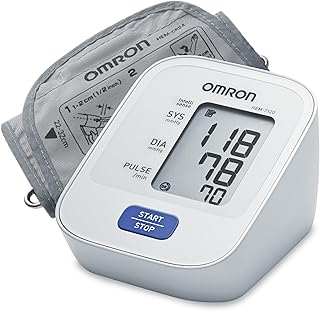
Blood pressure and electrolyte balance are intimately linked: hyponatraemia (low sodium) commonly presents with hypotension; hypernatraemia (high sodium) causes hypertension; hypokalaemia worsens hypertension by increasing vascular resistance; diuretics prescribed for hypertension are one of the most common causes of electrolyte imbalance in India. For patients being treated for electrolyte abnormalities — particularly hypo- or hypernatraemia — home blood pressure monitoring allows tracking of cardiovascular effects during correction. The Omron HEM 7120 is clinically validated, widely used in Indian medical practice, and endorsed by major Indian hypertension societies. Twice-daily BP readings (morning and evening) provide the most clinically useful trend data. Share your BP log with your treating physician when managing electrolyte disorders — BP trend guides correction rate.
View on Amazon IndiaAffiliate link — small commission at no extra cost.
Related Tests / संबंधित जांचें
These tests are commonly ordered alongside serum electrolytes in India:
Electrolytes के साथ ये जांचें अक्सर करवाई जाती हैं:Frequently Asked Questions / अक्सर पूछे जाने वाले सवाल
The standard reference ranges for serum electrolytes at most Indian NABL-accredited labs are: Sodium (Na+): 136–145 mEq/L (or mmol/L — numerically equivalent); Potassium (K+): 3.5–5.0 mEq/L; Chloride (Cl-): 98–107 mEq/L. For clinical decision-making, the threshold for treatment differs from the reference range: potassium below 3.0 mEq/L or above 6.0 mEq/L requires urgent treatment regardless of symptoms; sodium below 125 mEq/L or above 155 mEq/L is a medical emergency. Electrolytes in Indian labs use mEq/L and mmol/L interchangeably — for monovalent ions (Na+, K+, Cl-) these are numerically identical.
उत्तर: Na+: 136–145 mEq/L। K+: 3.5–5.0 mEq/L। Cl-: 98–107 mEq/L। Treatment threshold: K+ <3.0 या >6.0; Na+ <125 या >155 = तुरंत उपचार।Fasting for 4–6 hours is recommended but not strictly mandatory for electrolytes. A high-potassium meal (bananas, dal, orange) transiently raises serum potassium by 0.5–1.0 mEq/L — which could push a borderline normal potassium into the "above normal" range, causing unnecessary concern. For accuracy, morning fasting collection is best. However, the preparation rules that are truly critical and non-negotiable for accurate electrolytes are: (1) do NOT clench the fist during blood draw — causes pseudohyperkalaemia; (2) minimise tourniquet time; (3) process the sample within 30–60 minutes. These technique factors are far more important than whether the patient ate breakfast.
उत्तर: 4–6 घंटे उपवास अनुशंसित लेकिन कड़ाई से अनिवार्य नहीं। सबसे महत्वपूर्ण: रक्त draw के दौरान मुट्ठी न बांधें, tourniquet कम समय, 30–60 मिनट में process करें।A potassium of 6.2 mEq/L is a significant elevation that requires immediate attention. The first step: exclude pseudohyperkalaemia — retest with atraumatic collection (no fist clenching, minimal tourniquet, rapid processing, check if lab noted haemolysis). If confirmed on retest: this is a genuine hyperkalaemia emergency. Seek immediate medical care — the doctor will: order an ECG (peaked T waves indicate membrane instability); check serum creatinine and eGFR (CKD?); stop all potassium-raising medications (ACE inhibitor, ARB, potassium-sparing diuretics, NSAIDs, potassium supplements); consider treatment based on ECG and exact potassium level. Treatment options: IV calcium gluconate (stabilises cardiac membrane — immediate effect); IV insulin + dextrose (shifts K+ into cells — within 30 minutes); sodium bicarbonate (if metabolic acidosis); Kayexalate or Patiromer (removes K+ from gut — slower). Do not wait at home — go to a hospital emergency department.
उत्तर: K+ 6.2 = महत्वपूर्ण। पहले: pseudohyperkalaemia बाहर करें (proper collection से retest)। Confirmed: तुरंत अस्पताल। ECG, creatinine, सभी K-raising दवाएं बंद। IV Calcium gluconate, Insulin + Dextrose।No — eating more salt (sodium chloride) is almost never the correct treatment for hyponatraemia, and can be dangerous. The treatment of low sodium depends entirely on what caused it: if hyponatraemia is from volume depletion (diarrhoea, vomiting, sweating) with low total body sodium: IV normal saline (0.9% NaCl) replaces sodium and volume. If hyponatraemia is from SIADH (excess ADH causing water retention with normal sodium stores): fluid restriction — adding dietary salt without restricting water only raises sodium temporarily; the excess water continues to dilute it. If hyponatraemia is from heart failure or cirrhosis (excess body water): diuretics and treating the underlying condition; adding salt can worsen fluid retention and oedema. Self-treating a sodium of 128 mEq/L with extra salt or saline at home can worsen the underlying condition. Sodium of 128 mEq/L requires hospitalisation and investigation by a physician or nephrologist.
उत्तर: नहीं — कारण पर निर्भर। Volume depletion (दस्त/उल्टी): IV normal saline। SIADH: fluid restriction। Heart failure: diuretics। Self-treatment खतरनाक। Na+ 128 = hospitalisation और physician evaluation।Dietary potassium supplementation through foods like bananas, oranges, and coconut water can help maintain potassium levels in patients on furosemide — but it is usually not sufficient on its own for significant potassium replacement. Furosemide causes renal potassium wasting — the kidneys excrete potassium with every dose. Patients on long-term furosemide typically need: routine electrolyte monitoring every 4–8 weeks; oral potassium chloride supplementation (Syrup Potklor, K-Contin tablets) prescribed by the cardiologist if K+ falls below 3.5; dietary potassium — bananas (422 mg K per medium banana), coconut water, dal, potatoes with skin, tomatoes. However, if your cardiologist has also prescribed spironolactone alongside furosemide: spironolactone is potassium-sparing and counteracts furosemide's potassium loss — in this combination, extra potassium supplementation should not be added without checking K+ regularly, as hyperkalaemia can occur. Always monitor electrolytes rather than simply assuming "banana a day keeps low potassium away."
उत्तर: आंशिक रूप से — furosemide renal K+ waste करता है। Banana + coconut water + dal मदद करते हैं लेकिन अक्सर पर्याप्त नहीं। Oral KCl supplement (Potklor) cardiologist द्वारा। Spironolactone साथ हो तो extra K+ supplement खतरनाक। हर 4–8 सप्ताह K+ जांचें।A normal serum electrolyte test significantly reduces — but does not completely eliminate — the risk of potassium-related cardiac problems. This is because: (1) Serum potassium is a single time-point measurement — potassium can fluctuate between tests, particularly in patients on diuretics or insulin. A normal K+ this morning does not guarantee it will be normal this evening if you take an extra diuretic dose. (2) The cardiac effect of potassium depends on the rate of change, not just the absolute level — a rapid fall from 4.0 to 3.0 mEq/L may cause arrhythmia even though 3.0 is still within a range many labs consider near-normal. (3) Other electrolytes matter too — hypomagnesaemia (low magnesium, not measured in the standard panel) potentiates cardiac effects of hypokalaemia; low magnesium prevents potassium from being corrected even with supplementation. For patients with known heart disease on diuretics, periodic Holter monitoring alongside electrolytes gives a more complete picture of cardiac safety.
उत्तर: नहीं — normal K+ एक समय-बिंदु माप है। K+ quickly बदल सकता है। परिवर्तन की गति matter करती है। Magnesium (standard panel में नहीं) K+-related arrhythmia को प्रभावित करता है। Known heart disease में: Holter + regular electrolytes।- MedlinePlus (NIH): Electrolyte Panel — Patient Information
- WHO — Dehydration & Electrolytes: WHO ORS and Electrolyte Guidelines
- KDIGO — CKD Electrolytes: KDIGO 2022 Guidelines — Potassium Management in CKD
⚠️ Medical Disclaimer / चिकित्सा अस्वीकरण
This article is for educational purposes only. Critically abnormal electrolytes are medical emergencies — potassium below 3.0 or above 6.0, sodium below 125 or above 155 — require immediate hospital evaluation and treatment. Never attempt to self-correct electrolyte abnormalities at home. Never stop prescribed diuretics, ACE inhibitors, or ARBs based on electrolyte results without medical guidance — abrupt discontinuation can be dangerous. Sodium correction must always be managed by a physician to avoid osmotic demyelination.
यह लेख केवल शैक्षिक उद्देश्यों के लिए है। K+ <3.0 या >6.0; Na+ <125 या >155 = तुरंत अस्पताल। घर पर electrolyte correction का प्रयास न करें। Sodium correction हमेशा physician द्वारा।


Comments
Post a Comment