
Human Metapneumovirus (HMPV) Test Explained: Positive Result, Symptoms & Report Reading (India 2026) | HMPV टेस्ट गाइड
HMPV (Human Metapneumovirus) Test: Positive Result Meaning, Symptoms & Report Reading (India 2026)
HMPV टेस्ट गाइड: पॉजिटिव रिजल्ट का मतलब, लक्षण, RT-PCR vs Rapid Test और रिपोर्ट कैसे पढ़ें
Your child has a persistent cough, fever, and breathing difficulty — and the doctor has ordered an HMPV test. Human Metapneumovirus (HMPV) is a respiratory virus responsible for 5–15% of all childhood respiratory infections in India and is one of the leading causes of bronchiolitis and pneumonia in children under 5. Despite its significant disease burden, most Indians have never heard of it — until now, when HMPV has received widespread media attention following outbreaks reported from China in late 2024 and confirmed cases in India in early 2025. This guide explains the HMPV test, what a positive result means, who is at risk, and what treatment is available — in plain English and Hindi.
For reading lab reports in general, see our beginner's guide to blood test reports.
HMPV (Human Metapneumovirus) एक श्वसन वायरस है जो भारत में 5–15% बचपन के श्वसन संक्रमण का कारण बनता है। यह गाइड HMPV टेस्ट, पॉजिटिव रिजल्ट का मतलब, जोखिम समूह और उपचार को सरल अंग्रेजी और हिंदी में समझाती है। Table of Contents / विषय सूची
- What Is HMPV? / HMPV क्या है?
- Symptoms — Mild vs Severe
- The HMPV Test — RT-PCR vs Rapid Antigen
- Reading Your Report — Positive vs Negative
- HMPV vs RSV vs Flu vs COVID — How to Tell Them Apart
- Who Is at Highest Risk? / उच्च जोखिम समूह
- Treatment & Home Care
- Test Preparation Checklist
- Frequently Asked Questions / FAQ

What Is HMPV? / HMPV क्या है?
Human Metapneumovirus (HMPV) is a single-stranded RNA virus belonging to the family Pneumoviridae — the same family as Respiratory Syncytial Virus (RSV). First identified in the Netherlands in 2001, it was quickly found to be a globally ubiquitous respiratory pathogen that had been circulating for decades before its discovery. HMPV spreads person-to-person through respiratory droplets, direct contact with infected secretions, and contaminated surfaces. The incubation period is 3–6 days after exposure. In India, HMPV circulates year-round but surges during the winter respiratory illness season (November–March) and again in April–May. Like RSV and influenza, HMPV infects the upper and lower respiratory tract — causing illness ranging from a common cold to life-threatening pneumonia, depending on the host's age and immune status.
HMPV एक RNA वायरस है जो RSV के समान Pneumoviridae परिवार से संबंधित है। यह 2001 में खोजा गया था लेकिन दशकों से फैल रहा था। श्वसन बूंदों और सतहों के संपर्क से फैलता है। उद्भवन काल: 3–6 दिन।Symptoms — Mild vs Severe
HMPV infection produces a wide spectrum of disease — from minor cold-like symptoms to severe lower respiratory tract illness requiring hospitalisation. The severity depends primarily on age, immune status, and whether underlying lung or heart disease is present:
HMPV संक्रमण हल्के जुकाम से लेकर अस्पताल में भर्ती करने वाली गंभीर निचली श्वसन पथ बीमारी तक का स्पेक्ट्रम पैदा करता है।Symptoms resemble a common cold:
- Runny nose, nasal congestion
- Sore throat
- Low-grade fever (below 38°C)
- Mild cough
- Fatigue, headache
Lower respiratory tract involvement:
- Persistent cough (may be barking/croupy in children)
- Fever (38–39°C)
- Wheezing (high-pitched breathing on exhalation)
- Moderate breathlessness on activity
- Reduced feeding in infants
Red flags — seek emergency care immediately:
- SpO2 (oxygen level) below 94% on pulse oximeter
- Respiratory rate >60/min in infants or >40/min in older children
- Chest retractions (skin pulling in between ribs with breathing)
- Cyanosis (bluish lips or fingertips)
- Inability to drink or feed
- Lethargy or altered consciousness
- Grunting with each breath
- Bronchiolitis — most common in infants under 12 months; wheezing, respiratory distress
- Croup — barking cough, stridor (noisy inspiration), mainly 6 months–3 years
- Pneumonia — high fever, fast breathing, low SpO2; X-ray shows infiltrates
- Asthma/COPD exacerbation — HMPV triggers acute exacerbations in pre-existing lung disease
- URTI (upper respiratory tract infection) — mild cold; most common presentation in adults
The HMPV Test — RT-PCR vs Rapid Antigen

| Test Type | Sensitivity / Specificity | Result Time | Best Use |
|---|---|---|---|
| RT-PCR (single-pathogen) Gold standard |
>95% / >99% | 4–24 hours | Definitive HMPV diagnosis when clinical suspicion is specific. ICMR/AIIMS labs. |
| Multiplex Respiratory PCR Panel Most practical |
>95% / >99% | 4–8 hours | Best option in practice — tests HMPV + RSV + Flu A/B + COVID-19 simultaneously from one swab. Guides treatment decisions. |
| Rapid Antigen Test (RAT) | ~70–80% / >95% | 30–60 minutes | Quick triage. A positive RAT is reliable; a negative RAT in symptomatic patients with high clinical suspicion should be followed by PCR. |
| Viral culture Research only |
Reference standard | 7–14 days | Research and reference laboratories only. Not used for clinical diagnosis in India. |
- Sample type: Nasopharyngeal (NP) swab is the most sensitive. Throat swabs are acceptable but yield lower viral loads. Combined NP + oropharyngeal swab increases sensitivity.
- Timing: Test within the first 5 days of symptoms for best sensitivity. Testing after Day 7 may give false negatives as viral shedding declines.
- Hospitalised patients: Bronchoalveolar lavage (BAL) or endotracheal aspirate gives the highest sensitivity for lower respiratory tract HMPV.
- Swab technique matters: A deep NP swab reaching the posterior nasopharynx gives far better results than a superficial nasal swab.
Reading Your Report — Positive vs Negative
| Result / परिणाम | What It Means | Clinical Action |
|---|---|---|
| HMPV POSITIVE (Detected) | HMPV viral RNA or antigen detected. Confirms HMPV as the cause of current respiratory illness. The Ct value (on PCR) may also be reported — lower Ct = higher viral load = more virus present. Ct below 25 = high viral load; Ct 25–35 = moderate; Ct above 35 = low (may be resolving infection). | Supportive management (see treatment section). Isolate from vulnerable household members. No specific antiviral. Monitor SpO2 — refer to hospital if below 94%. |
| HMPV NEGATIVE (Not Detected) | HMPV not detected. Does not mean no viral infection — another virus (RSV, influenza, COVID-19, rhinovirus, parainfluenza) may be causing the symptoms. If tested early (<Day 3) or with a poor-quality swab, a false negative is possible. | Consider multiplex respiratory panel to identify the actual pathogen. If clinical condition is severe, treat based on clinical picture regardless of HMPV result. |
| HMPV POSITIVE + Bacterial co-infection | HMPV infection with secondary bacterial pneumonia (common in hospitalised patients). Elevated WBC count, high CRP, consolidation on chest X-ray alongside positive HMPV PCR. | Antibiotics in addition to supportive care. HMPV itself does not respond to antibiotics — but bacterial co-infection requires them. |
HMPV vs RSV vs Flu vs COVID — How to Tell Them Apart

| Feature | HMPV | RSV | Influenza | COVID-19 |
|---|---|---|---|---|
| Virus family | Pneumoviridae | Pneumoviridae | Orthomyxoviridae | Coronaviridae |
| Main age group | Under 5 yrs, >65 yrs | Under 2 yrs, >65 yrs | All ages; severe in >65 & young children | All ages; severe in >60, obese, diabetics |
| Signature symptom | Wheezing, bronchiolitis in infants | Severe bronchiolitis in infants (more severe than HMPV) | Abrupt high fever, myalgia, headache | Loss of smell/taste (early waves); fever, cough, fatigue |
| Fever | Moderate (38–39°C) | Moderate | High (>39°C), abrupt onset | Variable |
| Lower tract disease | Bronchiolitis, pneumonia, croup | Severe bronchiolitis (most common cause in India) | Pneumonia (especially secondary bacterial) | Pneumonia, ARDS |
| Antiviral treatment | None available | Palivizumab (prevention only in high-risk infants) | Oseltamivir (Tamiflu) — effective if given early | Paxlovid, Remdesivir, Molnupiravir (high-risk patients) |
| Vaccine | None as of 2026 | Abrysvo / mRESVIA (recently approved in some countries; not widely available India) | Annual flu vaccine — recommended for all Indians >65 and children | COVID vaccines available India |
| Diagnosis | RT-PCR NP swab | Rapid antigen or PCR | Rapid flu test or PCR | RAT or RT-PCR |
Who Is at Highest Risk? / उच्च जोखिम समूह
HMPV causes 10–15% of all infant hospitalisations for acute lower respiratory tract illness in India. Infants under 6 months have the highest risk of severe bronchiolitis requiring oxygen therapy. Premature babies (<35 weeks gestation) and infants with congenital heart disease are at extreme risk. Watch for: fast breathing (>60/min), chest retractions, SpO2 below 94%, inability to feed.
Most HMPV primary infections occur in this age group. Disease is generally less severe than in infants but can cause croup (barking cough, stridor) and wheezing. Children with asthma or recurrent wheezing are at higher risk of HMPV-triggered exacerbations. HMPV is a well-known trigger for asthma exacerbations — up to 20% of childhood asthma attacks are HMPV-associated. Check CBC if fever persists beyond 5 days to rule out bacterial co-infection.
HMPV is responsible for 4–9% of hospitalisations for respiratory illness in Indian elderly patients — comparable to influenza in this age group. Underlying COPD, heart failure, and diabetes significantly increase severity. In immunosenescent elderly, HMPV pneumonia can be severe and prolonged. Annual influenza vaccination (though not specific for HMPV) reduces the overall respiratory virus burden and should be maintained.
Haematopoietic stem cell transplant (HSCT) recipients and haematological malignancy patients are at extreme risk — HMPV pneumonia in this group carries a mortality of up to 30–40%. HIV patients with CD4 below 200 cells/µL. Solid organ transplant recipients on immunosuppression. Cancer patients on active chemotherapy. In these high-risk groups, early PCR testing is essential and supportive treatment must be more aggressive.
HMPV is a leading trigger of acute exacerbations of COPD (AECOPD) in India — responsible for 5–10% of all COPD exacerbations requiring hospitalisation. Similarly, HMPV triggers cardiac decompensation in patients with heart failure by increasing systemic inflammatory burden and hypoxia. Any COPD or heart failure patient with acute respiratory worsening during the winter respiratory virus season should be tested with a multiplex respiratory PCR panel.
In immunocompetent adults aged 20–60 without underlying disease, HMPV typically causes only a mild upper respiratory infection — runny nose, sore throat, mild cough — lasting 3–7 days. These individuals usually do not require testing or medical attention. However, they can transmit HMPV to vulnerable household members (infants, elderly parents) — hand hygiene and respiratory etiquette are important during illness.
Treatment & Home Care / उपचार और घर पर देखभाल
As of 2026, no antiviral drug has been approved for HMPV treatment. Ribavirin has been used in anecdotal reports in immunocompromised patients but without consistent evidence. Treatment is entirely supportive — focused on maintaining oxygenation, hydration, and comfort while the immune system clears the virus. In most healthy children and adults, HMPV resolves within 7–14 days without specific treatment.
- Paracetamol for fever and discomfort — avoid aspirin in children
- Hydration — ORS if poor oral intake; encourage fluids (warm liquids, breastmilk in infants)
- Nasal saline drops to clear blocked nose in infants (helps feeding)
- Steam inhalation / humidifier — helps loosen secretions and ease breathing
- Upright positioning — prop infants at 30° to reduce respiratory effort
- Monitor SpO2 with a pulse oximeter — seek care if below 94%
- Supplemental oxygen — target SpO2 ≥94% (≥90% in COPD/chronic hypoxaemia)
- IV/NG fluids — if unable to maintain hydration orally
- Nebulised bronchodilators (salbutamol, ipratropium) — for wheezing/bronchospasm; not universally beneficial in pure bronchiolitis
- Nebulised epinephrine — for croup causing significant stridor
- Corticosteroids (dexamethasone) — for croup; evidence weaker for pure HMPV bronchiolitis
- Mechanical ventilation (CPAP/BiPAP/invasive) — for respiratory failure
- Antibiotics — only if bacterial co-infection confirmed on chest X-ray and elevated WBC/CRP
No HMPV vaccine is currently available in India. Prevention:
- Hand washing with soap for 20 seconds — most effective single measure
- Cover coughs and sneezes — use tissue or elbow, not hand
- Avoid touching face (eyes, nose, mouth)
- Isolate ill individuals from infants and elderly family members
- Disinfect high-touch surfaces (door handles, taps, phones)
- Breastfeeding — provides some protection to infants through maternal IgA
Test Preparation Checklist / टेस्ट की तैयारी
The HMPV swab test requires minimal preparation — but these points directly affect your result's accuracy:
HMPV स्वाब टेस्ट के लिए न्यूनतम तैयारी — लेकिन ये बिंदु परिणाम की सटीकता को सीधे प्रभावित करते हैं।-
Test within the first 5 days of symptoms — HMPV viral shedding is highest in Days 1–5. Testing after Day 7 risks a false negative as the virus may no longer be detectable in the upper respiratory tract, even if illness continues from the immune response.
-
No fasting required. You can eat and drink normally before the swab test. Food intake does not affect HMPV PCR or antigen testing.
-
Do not blow your nose immediately before the swab. Vigorous nose blowing immediately before the NP swab can reduce the viral load available for detection. If nasal congestion is severe, saline drops 30 minutes before may help clear secretions without reducing viral yield.
-
Request a multiplex respiratory panel, not single-pathogen HMPV only. Because HMPV, RSV, influenza, and COVID-19 are clinically identical, testing for all simultaneously from a single swab is more practical and cost-effective — and directly guides treatment (especially if influenza is detected, since oseltamivir is time-sensitive).
-
For hospitalised patients with lower respiratory symptoms: Bronchoalveolar lavage (BAL) or endotracheal aspirate yields significantly higher sensitivity than a nasopharyngeal swab for HMPV lower respiratory tract disease — request this from the treating physician if the NP swab is negative but clinical suspicion remains high.
-
Order CBC alongside — a Complete Blood Count helps differentiate viral (low or normal WBC, lymphocytosis) from bacterial co-infection (elevated WBC, neutrophilia) — important for antibiotic prescribing decisions.
-
Bring your child's vaccination record. The doctor needs to know if influenza vaccine was given (reduces risk of concurrent flu) and COVID-19 vaccination status. This helps prioritise which pathogens are most likely in the differential diagnosis.
✅ Book HMPV Test — Respiratory Panel Available
HMPV testing is most useful as part of a multiplex respiratory panel — testing for HMPV, RSV, influenza A/B, and COVID-19 simultaneously from one swab is more informative and cost-effective than testing for HMPV alone:
Affiliate link: I may earn a small commission at no extra cost to you. HMPV testing is available free at ICMR sentinel surveillance labs and government medical colleges. If your child has SpO2 below 94%, respiratory distress, or is unable to feed — go directly to the hospital emergency department rather than waiting for home collection testing.
HMPV परीक्षण पहले 5 दिनों में करें। SpO2 <94% या श्वसन संकट हो तो सीधे अस्पताल जाएं। Home Monitoring & Supportive Care for Respiratory Illness
Since no specific antiviral exists for HMPV, home management of mild-to-moderate cases focuses on monitoring oxygen levels and easing breathing. These two devices are recommended by Indian paediatricians and pulmonologists for home respiratory illness management. Consult your doctor immediately if SpO2 falls below 94%.
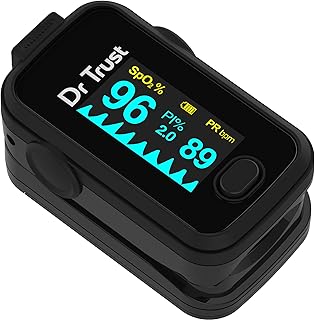
Monitoring oxygen saturation (SpO2) at home is the single most important measure for any HMPV-positive patient with respiratory symptoms — particularly for parents of young children and caregivers of elderly patients. The Dr Trust Signature Series pulse oximeter provides accurate SpO2 and pulse rate readings with an audio-visual alarm when SpO2 drops below the set threshold. Seek emergency care immediately if SpO2 drops below 94% in children or below 90% in adults with chronic lung disease.
View on Amazon IndiaAffiliate link — small commission at no extra cost.

Steam inhalation and humidification are standard home supportive care measures for HMPV, RSV, and other respiratory viral illnesses. Humidified air loosens thick respiratory secretions, eases nasal congestion, reduces the effort of breathing, and soothes inflamed airways. Particularly beneficial for children with croup (barking cough) — cool humidified air helps reduce laryngeal oedema. Also functions as a room humidifier maintaining indoor humidity at 40–60%, which is recommended during the dry winter respiratory virus season to reduce viral aerosol transmission. Always supervise children near steam devices to prevent burns.
View on Amazon IndiaAffiliate link — small commission at no extra cost.
Related Tests / संबंधित जांचें
These tests are commonly ordered alongside HMPV in the respiratory illness workup:
HMPV के साथ श्वसन बीमारी की जांच में ये परीक्षण अक्सर करवाए जाते हैं:Frequently Asked Questions / अक्सर पूछे जाने वाले सवाल
For the vast majority of children — especially those over 12 months without underlying heart or lung disease — a positive HMPV test means a respiratory illness that will resolve on its own in 7–14 days with supportive home care (paracetamol for fever, adequate fluids, saline nasal drops, rest). HMPV is NOT like COVID — it does not cause severe disease in healthy children beyond infancy. However, in infants under 6 months, premature babies, and children with congenital heart disease or chronic lung disease, HMPV can cause severe bronchiolitis requiring hospital admission. The key monitoring tool at home is a pulse oximeter — if SpO2 drops below 94%, breathing becomes laboured (fast rate, chest retractions), the child cannot feed, or becomes unusually drowsy — go to the hospital immediately. For most other children, monitor at home, keep hydrated, and see your paediatrician if fever persists beyond 5 days.
उत्तर: 12 महीने से बड़े स्वस्थ बच्चों के लिए HMPV आमतौर पर 7–14 दिनों में ठीक हो जाता है। 6 महीने से छोटे शिशुओं में गंभीर हो सकता है। SpO2 <94% पर तुरंत अस्पताल जाएं।HMPV is the virus that received widespread media attention following reports of increased respiratory illness cases in China in late 2024. However, it is important to clarify: HMPV is not a new or "Chinese" virus. It was first discovered in the Netherlands in 2001 and has been circulating globally — including in India — for decades. Nearly 100% of children worldwide are infected with HMPV at least once by age 5. The China surge reflected post-COVID "immune debt" — respiratory viruses circulated less during the pandemic years, leaving populations with reduced natural immunity. When pandemic restrictions lifted, a predictable surge in all respiratory viruses (RSV, HMPV, influenza, rhinovirus) occurred globally. HMPV does not require special public health measures, isolation protocols, or quarantine beyond standard respiratory illness precautions.
उत्तर: HMPV नया या "चीनी वायरस" नहीं है। 2001 में नीदरलैंड में खोजा गया, दशकों से वैश्विक स्तर पर फैल रहा है। चीन में 2024 की वृद्धि COVID के बाद "immune debt" के कारण थी — यह घटना वैश्विक थी।No — fasting is not required for the HMPV PCR swab test. The test collects a nasopharyngeal (NP) or throat swab — not a blood sample — and food intake has no effect on the accuracy of the result. You can eat and drink normally before the test. The only preparation rules are timing-related: test within the first 5 days of symptoms for best sensitivity, and avoid blowing your nose vigorously immediately before the swab.
उत्तर: नहीं — HMPV स्वाब टेस्ट के लिए उपवास आवश्यक नहीं। यह नासोफेरिन्जियल स्वाब है, रक्त परीक्षण नहीं। केवल समय का नियम: लक्षण शुरू होने के 5 दिनों के भीतर परखें।Your doctor is correct. HMPV is a viral infection — antibiotics kill bacteria, not viruses. Taking antibiotics for a viral respiratory illness provides no benefit and contributes to the growing problem of antibiotic resistance in India. Antibiotics are only indicated if there is evidence of secondary bacterial co-infection — suggested by: fever persisting beyond Day 5–7 without improvement, very high white blood cell count (above 15,000/µL) on CBC, significant consolidation (lobar opacity) on chest X-ray, or markedly elevated CRP. If none of these are present, supportive care (paracetamol, fluids, rest, oxygen if needed) is the appropriate treatment for HMPV. If your doctor prescribes antibiotics without these findings, it is appropriate to ask why.
उत्तर: HMPV वायरल संक्रमण है — एंटीबायोटिक वायरस को नहीं मारती। केवल जीवाणु सह-संक्रमण के प्रमाण (उच्च WBC, X-ray में consolidation) पर एंटीबायोटिक उचित है।Yes — HMPV, COVID-19, influenza, RSV, parainfluenza, and rhinovirus are all clinically indistinguishable from each other based on symptoms alone. All cause fever, cough, sore throat, runny nose, and in severe cases, breathing difficulty and pneumonia. This is precisely why laboratory testing — specifically a multiplex respiratory PCR panel — is necessary to identify the actual pathogen. The distinction matters clinically because: Influenza can be treated with oseltamivir (Tamiflu) — but only if given within 48 hours of symptom onset; COVID-19 (in high-risk patients) can be treated with Paxlovid/Molnupiravir; HMPV and RSV have no specific antivirals. If only a single-pathogen test (e.g., COVID-19 only) is negative, this does not exclude HMPV, influenza, or RSV as the cause. Always request the multiplex panel in the respiratory illness season.
उत्तर: हां — HMPV, COVID-19, फ्लू और RSV नैदानिक रूप से अप्रभेद्य हैं। Multiplex respiratory PCR panel सटीक रोगज़नक़ की पहचान करता है — यह महत्वपूर्ण है क्योंकि फ्लू के लिए oseltamivir और COVID के लिए Paxlovid उपलब्ध है।Yes — re-infection with HMPV is common throughout life. Unlike measles or chickenpox where one infection provides lifelong immunity, HMPV immunity is partial and wanes over time. HMPV has two main genetic lineages (A and B), each with two subgroups — infection with one subtype does not confer complete protection against others. This explains why adults get repeated HMPV infections, though subsequent infections are typically milder than primary infection in infancy. Re-infections in healthy adults usually cause only mild cold-like symptoms lasting 3–5 days. The concerning re-infections are in the elderly and immunocompromised — where waning immunity and reduced immune function can lead to severe lower respiratory tract disease from re-exposure to HMPV strains circulating in the community.
उत्तर: हां — HMPV पुनः संक्रमण सामान्य है। आंशिक प्रतिरक्षा कुछ समय बाद कम हो जाती है। HMPV के दो मुख्य वंश (A और B) हैं। स्वस्थ वयस्कों में पुनः संक्रमण हल्का होता है — वृद्ध और प्रतिरक्षा-दमित में गंभीर हो सकता है।⚠️ Medical Disclaimer / चिकित्सा अस्वीकरण
This article is for educational purposes only. HMPV test results must always be interpreted by a qualified physician alongside clinical symptoms, SpO2, respiratory rate, chest examination, and CBC. If your child or elderly family member has SpO2 below 94%, laboured breathing, inability to feed, or altered consciousness — seek emergency medical care immediately. Do not delay hospital care based on this guide.
यह लेख केवल शैक्षिक उद्देश्यों के लिए है। SpO2 <94%, श्वसन संकट, खाने में असमर्थता या भ्रम हो तो तुरंत अस्पताल जाएं — इस गाइड के आधार पर देरी न करें।


Comments
Post a Comment