
HOMA-IR Test Explained: Insulin Resistance Calculator, Normal Range & Diabetes Risk (India 2026) | HOMA-IR टेस्ट गाइड
HOMA-IR Test Explained: Insulin Resistance Calculator, Normal Range & Diabetes Risk (India 2026)
HOMA-IR टेस्ट गाइड: इंसुलिन रेजिस्टेंस कैलकुलेटर, नॉर्मल रेंज, प्रीडायबिटीज और डायबिटीज जोखिम — पूरी जानकारी
Your fasting blood sugar is 94 mg/dL — perfectly normal. Your HbA1c is 5.4% — also normal. And yet your doctor suspects insulin resistance and has ordered a HOMA-IR calculation. This is not unusual: HOMA-IR (Homeostatic Model Assessment of Insulin Resistance) is the single most clinically useful tool for detecting the silent, years-long phase of insulin resistance that precedes both prediabetes and type 2 diabetes — a phase that is entirely invisible to standard blood sugar testing. India has the world's second-largest diabetes burden, with over 101 million diabetics and an estimated 136 million in the prediabetic stage. HOMA-IR can identify those at risk while reversal is still completely possible. This guide explains what HOMA-IR is, how to calculate and interpret it, and what the result means for your health.
If your doctor also ordered a HbA1c or CBC alongside, see those guides. For reading lab reports generally, see our beginner's guide to blood test reports.
Fasting blood sugar normal है, HbA1c normal है — फिर भी डॉक्टर ने HOMA-IR order किया। क्यों? क्योंकि HOMA-IR insulin resistance को तब detect करता है जब blood sugar अभी भी बिल्कुल normal होती है। India में 101 million diabetics और 136 million prediabetics हैं — HOMA-IR उस silent phase को पकड़ता है जब reversal अभी भी पूरी तरह possible है।Table of Contents / विषय सूची
- What Is HOMA-IR? / HOMA-IR क्या है?
- How to Calculate HOMA-IR / HOMA-IR कैसे calculate करें
- Normal Range & Score Interpretation
- High HOMA-IR — Causes & Conditions in India
- Why HOMA-IR Matters More in Indians — South Asian Risk
- Reversing Insulin Resistance — Lifestyle, Diet & Medication
- Test Preparation Checklist / टेस्ट की तैयारी
- Frequently Asked Questions / अक्सर पूछे जाने वाले सवाल

What Is HOMA-IR?
HOMA-IR (Homeostatic Model Assessment of Insulin Resistance) was developed by Matthews et al. at the University of Oxford in 1985 and remains the most widely validated, clinically practical index of insulin resistance available. It is not measured directly by a blood test — it is calculated from two fasting blood values: fasting serum insulin and fasting plasma glucose, both collected from the same blood draw after an overnight fast. The result is a dimensionless score that quantifies how resistant the body's cells are to the action of insulin.
HOMA-IR 1985 में Oxford University में develop हुआ — insulin resistance का सबसे widely validated index। यह अलग blood test नहीं है — fasting insulin और fasting glucose (दोनों एक ही blood draw से) को formula में डालकर calculate होता है। Result एक dimensionless score है जो बताता है: cells insulin को कितना ignore कर रहे हैं।- Stage 1 — Early insulin resistance (HOMA-IR 2.5–4.0): Muscle, liver, and fat cells become progressively less responsive to insulin. The pancreas compensates by secreting more insulin to maintain normal blood glucose. Fasting glucose is completely normal (<100 mg/dL). Fasting insulin is elevated (10–18 µIU/mL). HOMA-IR 2.5–4.0. This stage is fully reversible with lifestyle intervention — but is entirely invisible to HbA1c and fasting glucose testing. Most Indian patients at this stage are never identified.
- Stage 2 — Prediabetes / Compensated insulin resistance (HOMA-IR 4.0–6.0): Insulin resistance worsens. The pancreas is working at maximum capacity. Fasting insulin very high (15–30+ µIU/mL). Fasting glucose now mildly elevated (100–125 mg/dL) or HbA1c 5.7–6.4%. PCOS, hypertension, NAFLD, and dyslipidaemia typically emerge at this stage. Still significantly reversible — lifestyle intervention + metformin can prevent T2DM progression in 58–70% of cases.
- Stage 3 — Beta-cell exhaustion / Type 2 Diabetes (HOMA-IR variable, often >5.0): After years of overproduction, beta-cell reserve depletes. Insulin secretion begins to fall. Fasting glucose ≥126 mg/dL; HbA1c ≥6.5%. Paradoxically, fasting insulin and HOMA-IR may return toward normal or even become low as beta-cell failure progresses — making HOMA-IR less useful at this advanced stage.
- Key clinical implication: HOMA-IR is most valuable and actionable at Stages 1 and 2 — when blood glucose still appears normal or borderline. Once established type 2 diabetes is present (Stage 3), HOMA-IR loses interpretive clarity. The goal is to use HOMA-IR to catch and reverse the disease before it reaches Stage 3.
How to Calculate HOMA-IR

HOMA-IR is calculated from two values drawn from the same fasting blood sample. Most Indian labs do not automatically calculate HOMA-IR even when both fasting insulin and fasting glucose are ordered — you or your doctor may need to calculate it manually.
HOMA-IR एक ही fasting blood sample से calculate होता है। अधिकांश Indian labs HOMA-IR automatically calculate नहीं करतीं — आपको या आपके डॉक्टर को manually calculate करना पड़ सकता है।- Formula: HOMA-IR = (Fasting Insulin in µIU/mL × Fasting Glucose in mg/dL) ÷ 405
- Example 1 — Normal insulin sensitivity: Fasting insulin = 5 µIU/mL; Fasting glucose = 85 mg/dL → HOMA-IR = (5 × 85) ÷ 405 = 425 ÷ 405 = 1.05 → Excellent insulin sensitivity ✓
- Example 2 — Early insulin resistance: Fasting insulin = 14 µIU/mL; Fasting glucose = 92 mg/dL → HOMA-IR = (14 × 92) ÷ 405 = 1,288 ÷ 405 = 3.18 → Significant insulin resistance despite normal blood sugar ⚠
- Example 3 — Prediabetes range: Fasting insulin = 22 µIU/mL; Fasting glucose = 108 mg/dL → HOMA-IR = (22 × 108) ÷ 405 = 2,376 ÷ 405 = 5.87 → Advanced insulin resistance + prediabetes ❗
- Unit note: The formula above uses glucose in mg/dL — the unit used by virtually all Indian labs. If your lab reports glucose in mmol/L (rare in India), use: HOMA-IR = (Fasting Insulin µIU/mL × Fasting Glucose mmol/L) ÷ 22.5
- Requesting from your lab: Ask specifically for "Fasting Serum Insulin + Fasting Plasma Glucose — for HOMA-IR calculation." Some NABL labs in India now automatically print HOMA-IR on the report when both values are ordered together.
Normal Range & HOMA-IR Score Interpretation
*HOMA-IR does not have a single universal cut-off — published thresholds vary slightly between populations and studies. The values below reflect clinical consensus for Indian (South Asian) adults and are consistent with major Indian and international diabetes guidelines. HOMA-IR is dimensionless — it has no unit.
| HOMA-IR Score | Interpretation | Clinical Significance for Indians | Recommended Action |
|---|---|---|---|
| <1.0 | Optimal insulin sensitivity | Excellent metabolic health. Cells respond well to insulin; pancreas not overworking. | Maintain current lifestyle. Recheck every 2–3 years if risk factors present. |
| 1.0–2.0 | Normal range | Healthy insulin sensitivity for most adults. No active insulin resistance. | Continue healthy lifestyle. Periodic monitoring if family history of T2DM or PCOS. |
| 2.0–2.5 | Borderline / Early concern — act in Indians | May be acceptable in Western populations but warrants lifestyle intervention in South Asians given lower metabolic threshold. Watch for central obesity, fatty liver, rising triglycerides. | Dietary modification (low-glycaemic diet), daily exercise. Retest in 3 months. |
| 2.5–3.5 | Insulin resistance | Significant insulin resistance. Pancreas is overproducing insulin to maintain normal glucose. High risk of progressing to prediabetes within 3–5 years if untreated. | Aggressive lifestyle intervention + physician evaluation. Check HbA1c, lipid profile, liver enzymes (SGPT), waist circumference. |
| 3.5–5.0 | Significant insulin resistance | Strongly correlates with prediabetes, NAFLD, PCOS, hypertension, and metabolic syndrome. High 10-year cardiovascular risk. Fasting glucose likely borderline elevated. | Urgent lifestyle intervention + consider Metformin (if prediabetes confirmed). Full metabolic workup. Diabetologist or endocrinologist referral. |
| >5.0 | Severe insulin resistance | Consistent with advanced prediabetes or early type 2 diabetes. Possible PCOS (in women), severe NAFLD, or metabolic syndrome. Beta-cell reserve may already be declining. | Specialist referral. Comprehensive metabolic panel. Medication likely required alongside lifestyle intervention. |
- HOMA-IR is less reliable in established type 2 diabetes: Once significant beta-cell failure has occurred, fasting insulin may fall even as glucose rises — causing HOMA-IR to paradoxically normalise or even appear low despite severe metabolic dysfunction. HOMA-IR is most valuable in the pre-diabetic phase.
- Same-lab serial testing is mandatory: Different labs use different insulin assay platforms — fasting insulin values can vary by 15–25% between labs. Always use the same laboratory for all serial HOMA-IR measurements to ensure comparability.
- Corticosteroids, beta-blockers, and thiazides artificially elevate HOMA-IR: These commonly prescribed drugs raise fasting glucose and/or insulin, inflating HOMA-IR. Always inform your doctor about all medications before interpreting results.
- Acute illness invalidates HOMA-IR: Any acute infection, surgery, or significant physiological stress raises cortisol → transiently elevates both fasting glucose and insulin → falsely inflated HOMA-IR. Wait 4–6 weeks after recovery.
- Strenuous exercise within 24 hours before the test lowers HOMA-IR: Intense exercise transiently improves insulin sensitivity for 24–48 hours. Testing the morning after a heavy gym session gives an artificially reassuring result. Rest on the day before the test.
High HOMA-IR — Causes & Conditions in India

The insulin resistance of prediabetes and type 2 diabetes is the most common cause of an elevated HOMA-IR in India. HOMA-IR typically rises years before fasting glucose crosses the prediabetes threshold (100 mg/dL) — making it a far earlier warning system than standard glucose testing. In the ICMR-INDIAB study, a HOMA-IR cut-off of 2.5 identified a large proportion of Indians who subsequently developed type 2 diabetes within 5 years. The root drivers specific to the Indian context: a high-glycaemic staple diet (white rice, maida, sugar); physical inactivity from sedentary urban work; visceral fat accumulation at lower BMIs than Western populations; and a genetic predisposition to beta-cell insufficiency — South Asian beta cells have a lower peak secretory capacity than European beta cells, meaning they reach exhaustion sooner once insulin resistance sets in.
Prediabetes और T2DM: HOMA-IR blood sugar rise होने से years पहले बढ़ता है। India में HOMA-IR 2.5 cut-off → future T2DM का strong predictor। Drivers: high-GI diet, sedentary lifestyle, visceral fat, genetic predisposition। South Asian beta cells जल्दी exhausted होती हैं — इसलिए early detection ज़रूरी।PCOS (Polycystic Ovary Syndrome) affects an estimated 20–25% of Indian women of reproductive age — one of the highest rates globally — and insulin resistance is its central metabolic driver. HOMA-IR is elevated in 70–80% of Indian women with PCOS, even those who appear lean. The mechanism: hyperinsulinaemia directly stimulates ovarian theca cells to overproduce androgens (testosterone, DHEA-S) → suppressed ovulation → irregular or absent periods, polycystic ovaries on ultrasound, acne, and hirsutism. Treating insulin resistance — with metformin, lifestyle change, or inositol — directly improves menstrual regularity, reduces androgen levels, improves fertility outcomes, and reduces the long-term risk of type 2 diabetes. A PCOS workup that does not include HOMA-IR (fasting insulin + fasting glucose) is clinically incomplete. Every woman diagnosed with PCOS in India should have her HOMA-IR calculated.
PCOS: 70–80% Indian women with PCOS में insulin resistance। Hyperinsulinaemia → ovarian androgen excess → irregular periods, acne, hirsutism। Metformin + lifestyle → menstrual regularity, fertility improvement। PCOS workup बिना HOMA-IR = incomplete।NAFLD (now termed MASLD — Metabolic dysfunction-Associated Steatotic Liver Disease) affects an estimated 38–40% of Indian adults — one of the highest rates globally — and is directly caused by and perpetuated by insulin resistance. When muscle cells are insulin-resistant, excess dietary carbohydrates are redirected to the liver for conversion into fat (de novo lipogenesis) → fat accumulation in hepatocytes → fatty liver. NAFLD and HOMA-IR have a near-linear relationship in Indian patients: HOMA-IR above 3.0 is strongly associated with NAFLD on ultrasound, and HOMA-IR above 5.0 correlates with NASH (non-alcoholic steatohepatitis — the inflammatory, fibrotic form). Every Indian patient with an ultrasound showing "increased hepatic echogenicity" or elevated SGPT/ALT (without alcohol use) should have HOMA-IR calculated. Weight loss of 7–10% — the most effective NAFLD treatment — also directly normalises HOMA-IR.
NAFLD: India में 38–40% adults में — insulin resistance से directly caused। HOMA-IR >3.0: NAFLD strongly associated। HOMA-IR >5.0: NASH (fibrotic form)। Ultrasound पर "bright liver" + elevated SGPT → HOMA-IR calculate करें। 7–10% weight loss = NAFLD का सबसे effective treatment।Metabolic syndrome is defined by the co-occurrence of central obesity, elevated fasting glucose, raised triglycerides, low HDL cholesterol, and hypertension — all driven by the common underlying mechanism of insulin resistance. An estimated 25–30% of urban Indian adults meet diagnostic criteria for metabolic syndrome (using South Asian-specific thresholds: waist ≥90 cm in men, ≥80 cm in women). HOMA-IR is the earliest detectable abnormality in metabolic syndrome — it rises before fasting glucose, before triglycerides become significantly elevated, and before blood pressure reaches hypertensive thresholds. Identifying metabolic syndrome early through HOMA-IR calculation provides an opportunity to intervene before the individual components cause irreversible organ damage. The TG:HDL ratio (from a fasting lipid profile) is a useful free surrogate for HOMA-IR: a TG:HDL ratio above 3.5 in an Indian patient strongly predicts a HOMA-IR above 2.5.
Metabolic syndrome: central obesity + high glucose + high TG + low HDL + hypertension — सब insulin resistance से driven। Urban India में 25–30% में। HOMA-IR सबसे पहले abnormal होता है — glucose, TG, और BP rise से पहले। TG:HDL ratio >3.5 → HOMA-IR >2.5 का free surrogate।Acanthosis nigricans — dark, velvety, thickened skin at the back of the neck, armpits, and groin — is one of the most visible clinical markers of hyperinsulinaemia and insulin resistance. Excess circulating insulin stimulates insulin-like growth factor 1 (IGF-1) receptors on keratinocytes, driving skin cell proliferation and hyperpigmentation. The severity of acanthosis nigricans correlates directly with the degree of HOMA-IR elevation. In Indian clinical practice, a patient presenting with acanthosis nigricans — particularly if combined with central obesity or PCOS — virtually always has a HOMA-IR above 3.0. Skin tags (acrochordons) around the neck and armpits are another visible skin manifestation of chronic hyperinsulinaemia. Both signs should prompt immediate HOMA-IR calculation and comprehensive metabolic assessment. The good news: acanthosis nigricans visibly fades as HOMA-IR normalises with treatment — it is a useful response-to-treatment marker.
Acanthosis nigricans (गर्दन, कांख, groin पर काली, मखमली, मोटी skin) = hyperinsulinaemia का visible sign। Excess insulin → skin cell proliferation → hyperpigmentation। Severity HOMA-IR elevation से correlate करती है। Treatment से HOMA-IR normalize होने पर acanthosis भी fade होती है।
- Acanthosis nigricans — dark velvety thickening at back of neck, armpits, groin; most specific visible sign
- Central / abdominal obesity — belly fat disproportionate to overall body weight; "apple shape"
- Skin tags — multiple soft tags around neck and underarms
- Post-meal fatigue / energy crash — drowsiness 1–2 hours after eating, especially high-carbohydrate meals
- Intense carbohydrate / sugar cravings — reactive hypoglycaemia; hunger returning 2–3 hours after eating
- Difficulty losing weight despite caloric restriction — insulin is the body's primary fat-storage hormone
- In women: irregular periods, acne, excess facial or body hair — PCOS driven by hyperinsulinaemia
- High triglycerides + low HDL — the dyslipidaemia pattern of insulin resistance on a fasting lipid profile
- Elevated SGPT/ALT — fatty liver secondary to insulin resistance
- Brain fog — difficulty concentrating; poor short-term memory
Why HOMA-IR Matters More in Indians — The South Asian Metabolic Risk
- 1. Insulin resistance at lower BMI — the "thin-fat Indian" phenomenon: South Asians have a 3–4× higher percentage of visceral (intra-abdominal) fat at the same BMI as Europeans. An Indian with a BMI of 23 kg/m² can have the same visceral fat and HOMA-IR as a European with a BMI of 30 kg/m². This is why IDF (International Diabetes Federation) uses South Asian-specific lower waist thresholds (≥90 cm men, ≥80 cm women) versus European thresholds (≥94 cm men, ≥80 cm women). A normal weight, non-obese Indian adult can have a HOMA-IR of 3.5 — which would be unusual in a lean Caucasian of the same age.
- 2. Lower beta-cell reserve — less compensatory capacity: South Asian pancreatic beta cells have a lower peak insulin secretory capacity than European beta cells. This means that once insulin resistance develops, Indian beta cells reach exhaustion sooner — the interval between HOMA-IR elevation and overt type 2 diabetes is shorter in Indians than in Europeans. Early HOMA-IR detection and intervention is therefore more urgent in the Indian population.
- 3. Earlier onset of diabetes: Indians develop type 2 diabetes on average 10 years earlier than Europeans — peak incidence in the 35–55 age group in India versus 55–65 in Europe. HOMA-IR should be checked routinely from age 25–30 in Indians with any metabolic risk factor (family history of T2DM, PCOS, central obesity, fatty liver).
- 4. High-glycaemic Indian diet: The traditional Indian diet — white rice, maida (refined wheat), sugar in chai and sweets — is among the most glycaemically challenging diets globally. These foods spike postprandial glucose sharply and repeatedly, driving chronic hyperinsulinaemia and progressively worsening HOMA-IR even in the absence of caloric excess.
| Parameter | South Asian / Indian Threshold | Western (European) Threshold | Clinical Implication |
|---|---|---|---|
| HOMA-IR (concern threshold) | ≥2.0–2.5 | ≥2.5–3.0 | Intervene earlier in Indians — lower threshold for lifestyle modification |
| Waist circumference (central obesity) | Men ≥90 cm / Women ≥80 cm | Men ≥94 cm / Women ≥80 cm | An Indian man with a 91 cm waist is already centrally obese — even if BMI is normal |
| BMI (overweight) | ≥23 kg/m² | ≥25 kg/m² | Metabolic risk begins at lower BMI in Indians — "normal" BMI 23–24 may still carry significant risk |
| Age to begin HOMA-IR screening | 25–30 years (with risk factors) | 35–40 years | Indians develop T2DM 10 years earlier — earlier surveillance is clinically justified |
| TG:HDL ratio (surrogate for HOMA-IR) | ≥3.0 (concern) | ≥3.5 | Free surrogate when fasting insulin is not available — TG:HDL ≥3.0 in an Indian = HOMA-IR likely elevated |
Reversing Insulin Resistance — Lifestyle, Diet & Medication
The Indian diet, dominated by refined carbohydrates (white rice, maida, sugar), is the primary modifiable driver of high HOMA-IR. Evidence-based dietary changes that reduce HOMA-IR:
- Replace refined carbs with complex, fibre-rich carbs: Brown rice, millets (ragi, bajra, jowar), whole wheat, legumes (dal, rajma, chana). These have lower glycaemic index — they spike blood glucose less sharply, requiring less insulin per meal.
- Eat vegetables before carbohydrates: Eating sabzi or salad before rice or roti blunts the post-meal glucose spike by 30–40% — a simple sequencing change requiring no extra food, cost, or effort.
- Eliminate liquid sugar completely: Chai with 2 tsp sugar × 5 cups/day = 40g added sugar. Cold drinks, packaged juices, flavoured milk. These are the most insulin-stimulating foods — no satiety, pure glucose spike.
- Increase protein at every meal: Dal, paneer, eggs, fish, chicken, curd. Protein blunts the post-meal glucose spike and sustains satiety, directly reducing fasting insulin over time.
- Time-restricted eating (12-hour overnight fast): Finishing dinner by 8 PM and eating breakfast after 8 AM is sufficient. Even this minimal overnight fast duration reduces fasting insulin and HOMA-IR measurably over 4–8 weeks.
- Cinnamon (dalchini): 1–3 g/day of true cinnamon (Ceylon cinnamon) has been shown in multiple RCTs to improve insulin sensitivity, reduce fasting glucose by 10–29%, and lower HOMA-IR — through inhibition of intestinal glucosidases and improved GLUT4 expression in muscle cells.
Exercise is the single most potent acute and chronic intervention for reducing HOMA-IR. Its mechanism is unique: during exercise, muscle cells take up glucose via an insulin-independent pathway (GLUT4 transporter translocation to the cell surface without requiring insulin signalling) — effectively bypassing insulin resistance entirely. Regular exercise additionally builds muscle mass (skeletal muscle is the body's largest glucose disposal site — more muscle = lower HOMA-IR), and reduces visceral fat (the primary driver of insulin resistance). Evidence-based exercise prescriptions for HOMA-IR reduction:
- Resistance training (weights): Most effective for long-term HOMA-IR reduction — 3 sessions/week for 12 weeks reduces HOMA-IR by 30–40% independent of weight loss
- Post-meal walking: 10–15 minutes of walking after each meal reduces the post-meal glucose spike by 30% — highly practical, requires no equipment or gym membership
- HIIT (High-Intensity Interval Training): 20 minutes 3×/week is as effective as 45 minutes of moderate cardio for HOMA-IR reduction
- Minimum target: 150 minutes/week moderate activity (WHO). For active HOMA-IR reduction: 250+ minutes/week, combining resistance training and aerobic exercise
When 3–6 months of lifestyle intervention does not adequately normalise HOMA-IR, medications are indicated. Evidence-based options used in India:
- Metformin: The cornerstone insulin-sensitising medication; reduces hepatic glucose production and improves peripheral insulin sensitivity; the only drug proven to prevent T2DM in prediabetes (DPP trial: 31% reduction); first-line for PCOS-related insulin resistance; inexpensive (₹20–50/month), widely available. Dose: 500–1000 mg twice daily with meals.
- Inositol (Myo-inositol + D-chiro-inositol): Evidence-based supplement for PCOS insulin resistance; 2–4 g/day reduces HOMA-IR and restores menstrual regularity; considered an adjunct or alternative to metformin in PCOS.
- GLP-1 receptor agonists (Semaglutide, Liraglutide): Now available in India; dramatic reductions in HOMA-IR, body weight, and cardiovascular risk; increasingly used for obese insulin-resistant patients with or without overt T2DM.
- SGLT-2 inhibitors (Empagliflozin, Dapagliflozin): Improve insulin sensitivity through weight loss and reduced hepatic fat; also provide cardiovascular and renal protection in T2DM.
After initiating lifestyle changes or medication for insulin resistance, retest HOMA-IR (fasting insulin + fasting glucose from the same lab) at 3-month intervals to assess response. Alongside HOMA-IR, monitor these parameters at each 3-month review:
- Waist circumference: Every 1 cm reduction in waist reflects visceral fat loss and directly reduces HOMA-IR
- Fasting lipid profile: Triglycerides fall rapidly with HOMA-IR improvement (target TG <150 mg/dL; TG:HDL ratio <3.0)
- HbA1c: Target below 5.7% for prediabetes reversal; below 7% if already diabetic
- SGPT/ALT: Normalisation indicates resolution of insulin resistance-related fatty liver
- Home glucometer: 2-hour post-meal glucose below 140 mg/dL is a practical daily feedback tool for dietary optimisation
- Treatment success benchmark: A patient who achieves HOMA-IR <2.0 from a starting HOMA-IR of 4.5 through lifestyle intervention alone has effectively reversed their insulin resistance and eliminated their prediabetes risk — one of the most rewarding outcomes in preventive medicine
Test Preparation Checklist / टेस्ट की तैयारी
Because HOMA-IR is calculated from fasting insulin and fasting glucose, the preparation requirements are those of the fasting insulin test — and they are strict. Errors in preparation are the most common cause of uninterpretable HOMA-IR results in Indian labs.
HOMA-IR, fasting insulin और fasting glucose से calculate होता है — इसलिए preparation fasting insulin test जैसी है। Preparation में गलती HOMA-IR result को uninterpretable बना देती है — ये rules strictly follow करें।-
Fast for 8–12 hours — strict overnight fasting is mandatory. Any food, sugary drink (chai with sugar, juice, flavoured milk), or glucose-containing beverage in the hours before the test will trigger insulin secretion and elevate fasting insulin — sometimes by 300–500% above the true baseline. This artificially inflates HOMA-IR and will falsely suggest severe insulin resistance in a metabolically healthy person, or obscure the true degree of insulin resistance in a patient already taking medications. Water only for 8–12 hours. Plain water does not affect insulin or glucose.
8–12 घंटे उपवास अनिवार्य। Chai, juice, milk — कुछ नहीं। Sugar वाली कोई भी चीज़ fasting insulin को 300–500% तक बढ़ा देती है। केवल plain water। -
Collect in the morning — ideally before 10 AM. While fasting insulin does not show the dramatic diurnal variation of serum iron, cortisol (which is highest in the early morning and counteracts insulin) creates meaningful time-of-day variation. Morning samples are the most standardised and reproducible for HOMA-IR. Additionally, an early morning collection makes an overnight fast more comfortable — there is no need to extend the fast uncomfortably into the afternoon.
सुबह collection prefer करें — 10 AM से पहले। Morning cortisol insulin को counteract करता है — morning samples सबसे standardised। Overnight fast comfortable रहती है। -
Order both tests explicitly — fasting insulin AND fasting glucose from the same draw. Both values are needed for HOMA-IR calculation; ordering only one makes the calculation impossible. When booking, specify: "Fasting Serum Insulin + Fasting Plasma Glucose for HOMA-IR calculation." Some NABL-accredited labs will then automatically print the calculated HOMA-IR on the report. If not, the calculation is straightforward: (Insulin × Glucose) ÷ 405.
Fasting insulin AND fasting glucose दोनों explicitly order करें — same blood draw से। Booking पर specify करें: "HOMA-IR calculation के लिए।" कुछ NABL labs automatically HOMA-IR print करती हैं। -
Avoid vigorous exercise for 24–48 hours before the test. Intense exercise (gym session, long run, heavy physical labour) significantly improves insulin sensitivity for 24–48 hours after the session — a phenomenon called exercise-induced insulin sensitisation. Testing the morning after an intense workout gives an artificially low, misleadingly reassuring HOMA-IR that does not reflect the patient's habitual metabolic state. Normal daily activity (walking, household tasks) does not need to be restricted.
Test से 24–48 घंटे पहले heavy exercise नहीं — gym, running, heavy physical work। Exercise 24–48 घंटे तक insulin sensitivity artificially improve करती है → falsely low HOMA-IR। Normal walking ठीक है। -
Disclose all medications to your doctor before the test. Several commonly prescribed medications in India significantly affect fasting insulin and/or fasting glucose, directly altering HOMA-IR: corticosteroids (Prednisolone, Dexamethasone — raise glucose, raise HOMA-IR); thiazide diuretics (raise fasting glucose); beta-blockers (raise fasting glucose); oral contraceptive pills (affect insulin sensitivity). Conversely, if you are already on Metformin or another antidiabetic medication, your HOMA-IR will be lower than it would be off medications — this may be the goal of treatment but must be noted when interpreting results. Never stop prescribed medications on your own.
सभी medications डॉक्टर को बताएं। Corticosteroids, thiazides, beta-blockers HOMA-IR artificially बढ़ाते हैं। Metformin HOMA-IR कम करता है — यह treatment का goal है। अपने आप कोई medication बंद न करें। -
Do not test during or within 4–6 weeks of an acute illness. Any acute infection, fever, or significant physiological stress (surgery, trauma) elevates cortisol and adrenaline → raises both fasting glucose and fasting insulin → inflates HOMA-IR. A HOMA-IR of 4.0 measured during a viral fever may revert to 2.1 once the illness has resolved. For a meaningful baseline, always test in a state of good health, 4–6 weeks after any significant acute illness.
Acute illness या fever के दौरान test नहीं। Cortisol + adrenaline → glucose और insulin दोनों बढ़ते हैं → HOMA-IR falsely high। Illness recover होने के 4–6 हफ्ते बाद test करें। -
Always use the same NABL-accredited laboratory for serial HOMA-IR monitoring. Fasting insulin assay results can vary by 15–25% between labs using different immunoassay platforms. Since HOMA-IR directly incorporates the fasting insulin value, this inter-lab variability translates directly into HOMA-IR variability. If you use Lab A for your baseline test and Lab B for your 3-month follow-up, any apparent change in HOMA-IR may simply reflect the inter-lab difference — not true clinical change. Always use the same lab for all serial measurements.
Serial monitoring हमेशा same NABL lab पर। Fasting insulin assay अलग labs पर 15–25% vary करती है → HOMA-IR में direct error। Different labs की values compare नहीं होतीं।
✅ Book HOMA-IR Panel — Fasting Insulin + Fasting Glucose — Home Collection
Book the complete HOMA-IR panel: Fasting Serum Insulin + Fasting Plasma Glucose. For a full metabolic picture, add HbA1c and Fasting Lipid Profile to the same draw. Strict 8–12 hour overnight fasting and morning collection are essential:
Affiliate link: I may earn a small commission at no extra cost to you. Fasting insulin and glucose tests are available at government hospitals and PMJAY-empanelled facilities across India. Always have HOMA-IR results interpreted by a qualified diabetologist or endocrinologist alongside HbA1c, lipid profile, and clinical history. Never self-prescribe Metformin or other antidiabetic medications.
HOMA-IR panel: Fasting Insulin + Fasting Glucose। 8–12 घंटे उपवास अनिवार्य। सुबह 10 AM से पहले collection। Same lab पर serial tests। सरकारी अस्पतालों में उपलब्ध। Diabetologist से HbA1c और history के साथ interpret करवाएं।Insulin Resistance Management — Evidence-Based Supplements
Two evidence-based supplements with clinical data supporting HOMA-IR reduction — a comprehensive PCOS and insulin resistance supplement combining inositol, berberine, and adaptogenic herbs, and organic cinnamon capsules (dalchini), which have demonstrated meaningful HOMA-IR and fasting glucose reduction in multiple RCTs. These supplements support lifestyle intervention — they are not a replacement for medical diagnosis, dietary change, exercise, or physician-prescribed medication. Always consult your doctor before starting any supplement, particularly if you are already on antidiabetic medications.
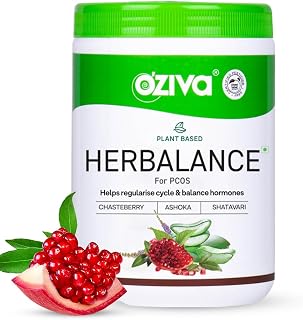
HerBalance for PCOS is formulated specifically for the insulin resistance pattern that underlies the majority of Indian PCOS cases. Key evidence-based active ingredients: Myo-inositol + D-chiro-inositol (the most studied natural insulin sensitisers for PCOS — multiple RCTs show reduction in HOMA-IR, restoration of menstrual regularity, and improvement in ovulation rate comparable to Metformin, with fewer GI side effects); Shatavari (adaptogen supporting hormonal balance); Spearmint extract (anti-androgenic — reduces testosterone); Vitamin D (deficiency prevalent in Indian PCOS patients and independently worsens insulin resistance). Clinical evidence for myo-inositol specifically: a 2020 Cochrane review found that inositol supplementation significantly improved insulin sensitivity (HOMA-IR reduction), menstrual regularity, and clinical pregnancy rates in PCOS. This product combines inositol with complementary botanicals in a plant-based, food-supplement format suitable for daily use.
HerBalance PCOS में insulin resistance के लिए designed। Myo-inositol + D-chiro-inositol: HOMA-IR reduce, menstrual regularity restore — Metformin जैसा effective, कम side effects (Cochrane 2020 review)। Shatavari + Spearmint: hormonal balance + anti-androgen। Vitamin D: PCOS में deficiency common। View on Amazon IndiaAffiliate link — small commission at no extra cost.

Cinnamon (Ceylon cinnamon / dalchini) is among the most clinically studied natural compounds for insulin resistance reduction. The evidence: a 2022 meta-analysis of 16 RCTs (n=1,049 participants) published in Nutrients demonstrated that cinnamon supplementation significantly reduced fasting blood glucose (mean reduction 11–29 mg/dL), fasting insulin, and HOMA-IR in patients with prediabetes, type 2 diabetes, and PCOS. Mechanism: cinnamon polyphenols (Type-A procyanidins) inhibit intestinal alpha-glucosidases (slowing carbohydrate absorption), enhance GLUT4 translocation in muscle cells (improving glucose uptake independent of insulin), and reduce hepatic gluconeogenesis. Dose in trials: 1–3 g/day of Ceylon cinnamon. Organic India's capsule format delivers standardised, organic Ceylon cinnamon in a convenient daily supplement. Important note: this product contains Ceylon cinnamon (Cinnamomum verum) — the safe form — not Cassia cinnamon (which contains high coumarin levels unsafe for daily use). TATA-backed brand with transparent sourcing.
Cinnamon (Dalchini): 2022 meta-analysis (16 RCTs) → fasting glucose 11–29 mg/dL कम, fasting insulin कम, HOMA-IR कम। Mechanism: carb absorption slow, GLUT4 translocation improve, hepatic glucose production कम। Ceylon cinnamon safe — Cassia cinnamon (coumarin) से अलग। TATA-backed brand। View on Amazon IndiaAffiliate link — small commission at no extra cost.
Related Tests / संबंधित जांचें
These tests are commonly ordered alongside HOMA-IR in the metabolic health workup:
HOMA-IR के साथ ये जांचें metabolic health workup में अक्सर order होती हैं:Frequently Asked Questions / अक्सर पूछे जाने वाले सवाल
For Indian (South Asian) adults, the clinically accepted ranges are: below 1.0 = optimal insulin sensitivity; 1.0–2.0 = normal; 2.0–2.5 = borderline (warrants lifestyle intervention in Indians); 2.5–3.5 = insulin resistance; 3.5–5.0 = significant insulin resistance; above 5.0 = severe insulin resistance. Importantly, the concern threshold for South Asians (2.0–2.5) is lower than for Western populations (2.5–3.0) — because Indians develop metabolic complications at lower HOMA-IR values due to higher visceral fat percentage at the same BMI and lower beta-cell reserve. Most Indian labs do not print a HOMA-IR interpretation on the report — calculate it yourself using: (Fasting Insulin × Fasting Glucose) ÷ 405, and apply the South Asian thresholds above.
उत्तर: <1.0 = optimal; 1.0–2.0 = normal; 2.0–2.5 = borderline (Indians में act करें); 2.5–3.5 = insulin resistance; >5.0 = severe। Indians के लिए threshold कम — Western से अलग। Formula: (Insulin × Glucose) ÷ 405।HOMA-IR calculation requires two values from your fasting blood test: Fasting Serum Insulin (in µIU/mL) and Fasting Plasma Glucose (in mg/dL). The formula is: HOMA-IR = (Fasting Insulin × Fasting Glucose) ÷ 405. Worked example: your lab report shows Fasting Insulin = 16 µIU/mL and Fasting Glucose = 96 mg/dL → HOMA-IR = (16 × 96) ÷ 405 = 1,536 ÷ 405 = 3.79 → Significant insulin resistance, despite a fasting glucose that is entirely within the normal range. If your lab reports glucose in mmol/L (rare in India), use the denominator 22.5 instead of 405. Note: most Indian labs do not automatically calculate HOMA-IR — you will usually need to do this yourself or ask your doctor to calculate it from the two values on your report.
उत्तर: Formula: (Fasting Insulin µIU/mL × Fasting Glucose mg/dL) ÷ 405। Example: Insulin 16, Glucose 96 → (16×96)÷405 = 3.79 = Significant insulin resistance। Glucose mmol/L हो तो ÷ 22.5। Indian labs automatically calculate नहीं करतीं — आपको करना होगा।This is the most important and most commonly missed clinical scenario — and exactly what HOMA-IR is designed to detect. A normal fasting glucose (say 92 mg/dL) with a high fasting insulin (say 17 µIU/mL) gives a HOMA-IR of 3.8. This means: your pancreas is working significantly overtime, producing large amounts of insulin to hold your blood glucose in the normal range. Your blood sugar appears normal only because your pancreas is successfully compensating — but it is doing so at the cost of chronic hyperinsulinaemia. This is Stage 1–2 insulin resistance — the most reversible stage, but also the stage entirely invisible to HbA1c and fasting glucose tests. Without intervention, fasting glucose will typically rise above 100 mg/dL within 3–7 years. With aggressive lifestyle intervention now, HOMA-IR can return below 2.0 and the trajectory toward type 2 diabetes can be fully reversed.
उत्तर: Normal glucose + High HOMA-IR = pancreas overtime काम कर रहा है — blood sugar normal रखने के लिए ज़्यादा insulin produce कर रहा है। यह Stage 1–2 insulin resistance है — fully reversible लेकिन HbA1c और fasting glucose से invisible। Intervention नहीं करने पर 3–7 साल में glucose rise होगा। अभी aggressive lifestyle intervention = reversal possible।Most Indian studies and the consensus of endocrinologists specialising in South Asian populations recommend using a HOMA-IR cut-off of 2.0–2.5 as the threshold for insulin resistance in Indians — lower than the 2.5–3.0 commonly used in Western studies. The reason: Indians have a higher visceral fat percentage at the same BMI, lower beta-cell reserve, and develop type 2 diabetes complications at lower HOMA-IR values than European populations. A landmark Indian study (Misra et al., 2004) validated a HOMA-IR cut-off of 2.5 for the Indian population. However, the exact threshold should be interpreted in clinical context — a HOMA-IR of 2.2 in a lean Indian with no other metabolic risk factors may warrant only observation, while a HOMA-IR of 2.2 in an Indian with PCOS, acanthosis nigricans, central obesity, and high triglycerides warrants immediate intervention.
उत्तर: Indians के लिए HOMA-IR cut-off: 2.0–2.5 (Western 2.5–3.0 से कम)। कारण: higher visceral fat, lower beta-cell reserve, lower BMI पर complications। Misra et al. 2004: India में 2.5 validated। Clinical context ज़रूरी — HOMA-IR 2.2 + PCOS + obesity → intervene; HOMA-IR 2.2 + lean + no risk factors → observe।Yes — HOMA-IR is an excellent treatment response monitoring tool in the pre-diabetic phase (Stage 1–2 insulin resistance). Retest at the same NABL-accredited lab every 3 months after initiating lifestyle intervention or medication. Expected HOMA-IR reductions with effective treatment: aggressive low-glycaemic diet alone — 20–35% reduction in 8–12 weeks; resistance training 3×/week — 30–40% reduction in 12 weeks; Metformin + lifestyle — 40–50% reduction in 12–16 weeks; GLP-1 agonist (Semaglutide) — 50–70% reduction in 16–24 weeks. Practical target: HOMA-IR below 2.0 for prediabetes reversal. Important caveats: always use the same lab for serial measurements; do not measure during acute illness; remember that in established type 2 diabetes with significant beta-cell failure, HOMA-IR may paradoxically appear normal due to reduced insulin secretion despite high glucose — HbA1c becomes the primary monitoring tool at that stage.
उत्तर: हाँ — HOMA-IR excellent treatment response monitor। Same lab पर हर 3 महीने retest। Expected reductions: diet alone 20–35%; resistance training 30–40%; Metformin 40–50%; GLP-1 agonist 50–70%। Target: HOMA-IR <2.0। Established T2DM में HOMA-IR less reliable — HbA1c primary monitor।Yes — HOMA-IR is one of the most clinically useful tests in the management of PCOS in India, yet it is still not routinely included in most Indian PCOS workup panels. Insulin resistance (elevated HOMA-IR) is present in 70–80% of Indian women with PCOS and is the primary driver of the androgen excess that causes PCOS's core symptoms — irregular periods, acne, and hirsutism. HOMA-IR quantifies the severity of insulin resistance, guides treatment selection (lifestyle alone vs Metformin vs inositol supplementation vs combination), and monitors treatment response. A PCOS patient who achieves HOMA-IR normalisation (below 2.0) with treatment will typically see simultaneous improvement in menstrual regularity, androgen levels, acne, and — in those trying to conceive — ovulation rates. Recommended PCOS metabolic panel: Fasting Insulin + Fasting Glucose (HOMA-IR) + HbA1c + Fasting Lipid Profile + SGPT + Vitamin D + Thyroid profile (TSH).
उत्तर: हाँ — HOMA-IR PCOS management में बहुत useful लेकिन routine workup में rarely included। 70–80% Indian PCOS women में insulin resistance। HOMA-IR treatment select करने में help करता है — lifestyle vs Metformin vs inositol। HOMA-IR normalize → menstrual regularity, acne, androgen levels सब improve।- ICMR-INDIAB Study (2023) — Lancet Diabetes & Endocrinology: Prevalence of Diabetes and Prediabetes in India
- MedlinePlus (NIH): Insulin in Blood — Patient Information
- Diabetes Prevention Program (DPP) Trial: Reduction in Incidence of Type 2 Diabetes with Lifestyle Intervention — NEJM 2002
⚠️ Medical Disclaimer / चिकित्सा अस्वीकरण
This article is for educational purposes only. HOMA-IR results must be interpreted by a qualified diabetologist or endocrinologist alongside HbA1c, fasting lipid profile, clinical history, and examination findings. Never self-prescribe Metformin, inositol, or other insulin-sensitising medications based on a HOMA-IR calculation alone. A high HOMA-IR may indicate prediabetes, PCOS, NAFLD, or other metabolic conditions — each requiring different investigation and treatment. In established type 2 diabetes with beta-cell failure, HOMA-IR may be misleadingly normal — HbA1c is the primary monitoring tool. Always identify and address the underlying cause of insulin resistance.
यह लेख केवल शैक्षिक उद्देश्यों के लिए है। HOMA-IR को diabetologist से HbA1c, lipid profile और history के साथ interpret करवाएं। Self-prescribe Metformin या अन्य medications नहीं। High HOMA-IR = prediabetes, PCOS, या NAFLD हो सकता है — हर condition अलग investigation और treatment मांगती है।


Comments
Post a Comment